

Marseille Travel Tips for Photographers
- Jakub Bors
- Jun 25
- 5 min read
Marseille is one of the most exciting cities in the south of France. It is full of character, sea views, history, great food, and that unmistakable Mediterranean energy.
Like any large city, it is also a place where it helps to travel with a little awareness, especially when arriving by airport, train, or with photography equipment. This guide is not here to make you nervous. Quite the opposite. A few simple habits can help you feel relaxed, prepared, and ready to enjoy your trip.
Whether you are arriving early for a photography workshop, spending a night near Marseille Airport, or travelling onwards to Provence, here are some practical safety tips to keep in mind.
Official Marseille airport website: https://www.marseille-airport.com/

What’s inside
1. Use official airport transport
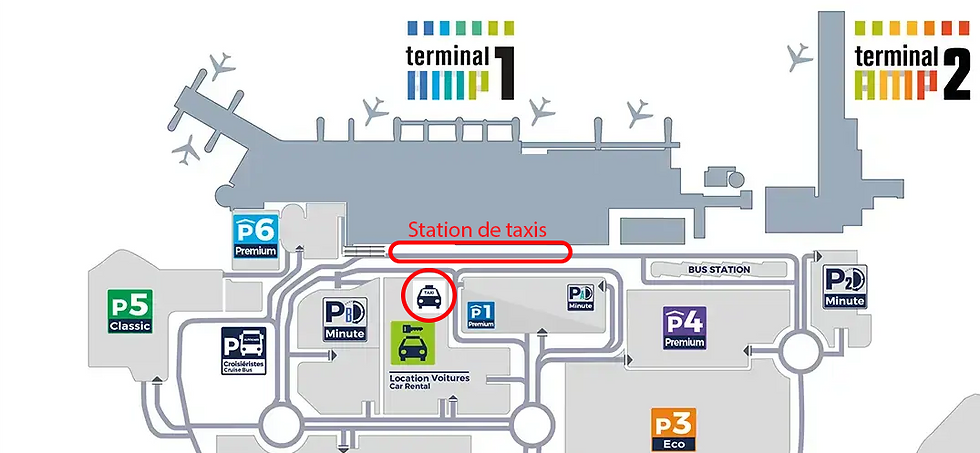
If you are arriving at Marseille Provence Airport, keep your transport simple. The safest and easiest options are usually the official airport shuttle, an official taxi from the taxi rank, a trusted ride app, or a prebooked transfer.
This is especially useful if you are tired after your journey, carrying luggage, or travelling with expensive camera equipment. A clear plan before you land makes everything feel much easier.
Official pre-booked transfer from Marseille airport: https://www.taxis-aeroport.com/
Staying at an airport hotel?
If you are staying at one of the hotels near Marseille Provence Airport, do not automatically assume it is best to walk there, especially at night or with luggage. Some airport hotels are close on the map, but the walking route may not be comfortable, clear, or suitable after dark.
Many airport hotels offer their own official shuttle service from the airport. The hotel shuttle pick-up area is usually near the airport bus station between Terminal 1 and Terminal 2, but always check your hotel’s latest instructions before you travel.
Most hotel shuttles run from early morning until late evening, often roughly between the first and last flights of the day. If you arrive very late, contact your hotel in advance and ask what transport option they recommend.

2. Avoid unofficial drivers
At many airports around the world, you may occasionally be approached by people offering a taxi or private ride. It is best to politely decline and use only official transport options.
Go to the official taxi rank, use a trusted app, or follow the instructions from your hotel or workshop organiser. It may take a few extra minutes, but it is the better and safer choice.
3. Keep your bags close
This is one of the simplest and most important travel habits. At the airport, train station, cafés, hotel lobbies, and busy streets, keep your bags close to your body.
Avoid leaving a bag on the floor beside your chair, hanging it loosely from the back of a chair, or placing it somewhere just out of sight. If you are travelling with camera gear, treat your camera bag like your passport. Keep it with you and keep it secure.
4. Be careful around busy transport areas
Marseille Saint Charles station and the airport can both be busy, especially during peak travel times. Busy transport areas are where travellers are often tired, distracted, and carrying luggage, which makes them easier targets for pickpockets.
Stay in well-lit, busy areas, keep valuables hidden, and avoid looking lost with your phone and bags out at the same time. If you need to check directions, step to the side, take a moment, and do it calmly.
5. Arrive during the day when possible
Daytime arrivals are usually easier and more comfortable, especially if it is your first time in the area. You can see where you are going, transport is easier to manage, and hotels are usually easier to reach.
If you arrive late at night, keep your plan very simple. Go directly to your hotel using official transport or a prebooked transfer. Save the exploring for the next day when you are rested.
6. Keep camera gear discreet
Marseille and the surrounding region are fantastic for photography, but it is still wise not to walk around with expensive camera gear on display when you are alone, tired, or in a busy city area.
Keep your camera packed away when moving between locations. Avoid opening your camera bag in crowded places unless necessary. Once you are settled, rested, or with your group, you can enjoy photography much more comfortably.
7. Separate passport, cards, and cash
Do not keep everything valuable in one place. Keep your passport secure, carry only the cash you need, and store a backup card separately from your main wallet.
This is not just about theft. It also helps if you misplace something. Having a backup card or spare cash in a different pocket or bag can make a difficult moment much easier to solve.
8. Stay aware in tourist areas
Tourist areas, viewpoints, markets, stations, and busy streets are all places where it helps to stay aware. This does not mean you need to feel worried. Just avoid being too distracted.
Keep your phone secure, close your bag properly, and be careful if someone tries to distract you, ask for signatures, offer help too quickly, or gets very close to your belongings.
9. Share your plans with someone
If you are arriving early, travelling alone, or staying somewhere before meeting a group, it is a good idea to let someone know your plan.
Share your hotel name, arrival time, and general route with a friend, family member, or workshop organiser. Keep your phone charged and save your hotel address offline in case mobile signal or data is not working properly.
10. Keep your first day simple
The first day of travel is not always the best time for big adventures. You may be tired, carrying luggage, or adjusting to a new place.
A good plan is simple: arrive, use official transport, check into your hotel, get some food, rest, and prepare for the next day. Once you are settled, everything feels easier and more enjoyable.
Bonus: Handy contacts
European emergency number: 112
Medical emergency in France: 15
Police: 17
Fire brigade: 18
Marseille Provence Airport website: marseille-airport.com
Marseille Airport information: information@mrs.aero
Marseille Airport phone: 0820 81 14 14
Airport lost and found: lostandfound.bagmobile.fr
Official Marseille Tourist Office: marseille-tourisme.com
British Embassy / Consular help in France: gov.uk/world/organisations/british-embassy-paris
US Embassy emergency services in France: fr.usembassy.gov/services/medical-assistance/emergency-services-in-france
Final word
Marseille is a wonderful gateway to the south of France, Provence, and the Mediterranean coast. With a little awareness and a simple travel plan, you can arrive safely, feel confident, and start your trip in the best possible way.
The goal is not to be worried. The goal is to be prepared. Keep your transport official, your bags close, your camera gear discreet, and your first day relaxed.
Then you can focus on the good part: enjoying the journey, discovering new places, and getting ready for beautiful photography adventures ahead.


Comments